Dry or rough-feeling skin
Ceramides are useful when skin feels dry, flaky, rough or less comfortable than usual.

Ingredient guide
Ceramides are commonly used in moisturizers and barrier-focused skincare. They are especially useful in routines for dry, tight, rough or barrier-stressed skin.
Interactive tool
Use the Centella Ingredient Compatibility Checker to see how ceramides pair with Centella and other common skincare ingredients.
What they are
Ceramides are lipids naturally found in the skin barrier. In skincare, they are commonly used in moisturizers, barrier creams and recovery-focused formulas.
They are most useful when the skin feels dry, rough, tight or uncomfortable. Instead of acting like a strong treatment, ceramides usually play a support role in formulas designed to help the skin feel more protected and comfortable.
In a Centella routine, ceramides make sense when the goal is barrier support, especially when paired with panthenol, madecassoside or a gentle moisturizer.
Quick answer
Ceramides are a good choice when your routine needs more moisture support, comfort and a stronger barrier-focused finish.
Ceramides are useful when skin feels dry, flaky, rough or less comfortable than usual.
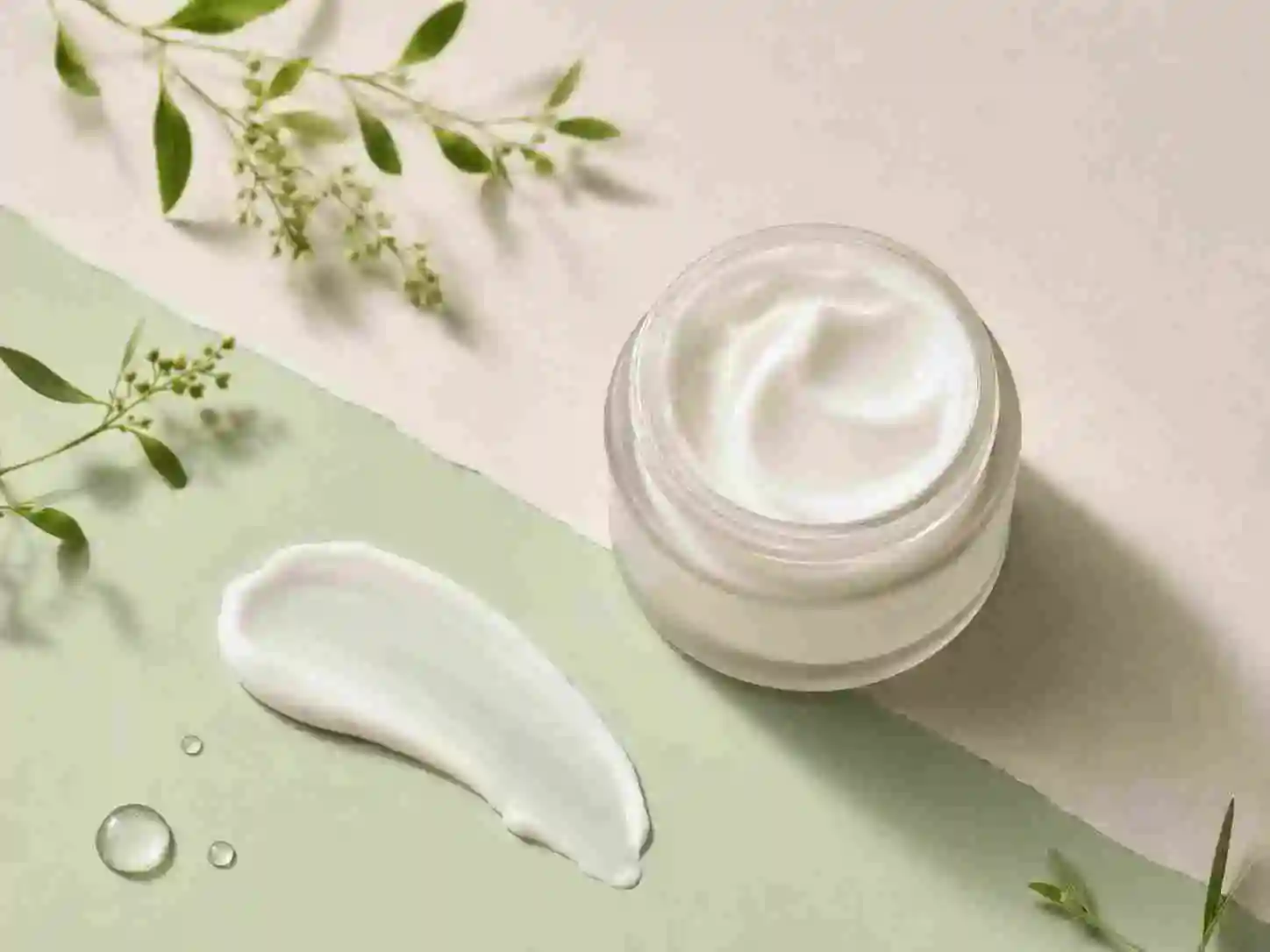
Ceramides are most often found in creams, lotions and barrier-support moisturizers.
They usually work best after lighter hydrating steps like toners, essences or serums.
How to use them
Ceramides usually belong in the moisturizing step. You do not need several ceramide products at once; one good cream can be enough.
Apply ceramide creams after lightweight hydrating products like toners, essences or serums.
Most ceramide products act as the main moisturizer or final comfort step before sunscreen.
Ceramide moisturizers can fit both routines. In the morning, finish with SPF.
Good pairings
Ceramides work best with ingredients that support hydration, comfort and a gentle barrier-focused routine.
A useful pairing when dry or barrier-stressed skin also looks red or reactive.
Learn about CentellaA strong pairing when the skin feels tight, uncomfortable or over-treated.
Learn about panthenolUseful in cica-style formulas focused on sensitive-looking or barrier-stressed skin.
Learn about madecassosideWhen to choose them
Ceramides are not a flashy active. Their value is practical: they help make dry, rough or weakened-feeling skin routines more supportive.
Ceramides are useful when your moisturizer does not feel supportive enough.
They fit well in routines focused on comfort, moisture and barrier support.
Ceramide creams can support routines around exfoliants, retinoids or acne treatments.
Keep it simple
Ceramides are easy to include, but texture and formula balance still matter.
Some ceramide creams are rich. If your skin is oily or acne-prone, look for lighter barrier-support textures.
Ceramides help support the routine, but dry or irritated skin may also need gentle cleansing, hydration and sunscreen.
Recommended next steps
Ceramides work best when your routine focuses on hydration, comfort and a moisturizer that your skin can tolerate consistently.
FAQ
Simple answers before adding ceramides to a dry-skin or barrier-support routine.
Ceramides are commonly used in barrier-focused skincare and can be a good fit for routines aimed at dryness, tightness and compromised-looking skin.
Yes. Centella and ceramides can work well together in gentle routines: Centella for calming support and ceramides for moisturizer-focused barrier support.
Ceramide moisturizers can usually fit into both morning and evening routines. In the morning, follow with sunscreen.
They can be, but texture matters. Oily or acne-prone skin may prefer lighter lotions or gel-cream formulas instead of rich creams.